Personalized Railings and Stairs: Bring Style and Functionality to Your Deck
Custom railings and staircases are fundamental to elevating the beauty and usability of a deck. Through choosing distinctive designs and materials, homeowners can craft a welcoming outdoor area that showcases their individual taste. Safety and durability are also important considerations. Examining different styles and materials can uncover choices that achieve the ideal equilibrium. What elements should homeowners evaluate when beginning this design process?
The Perks of Custom Railings and Stairs
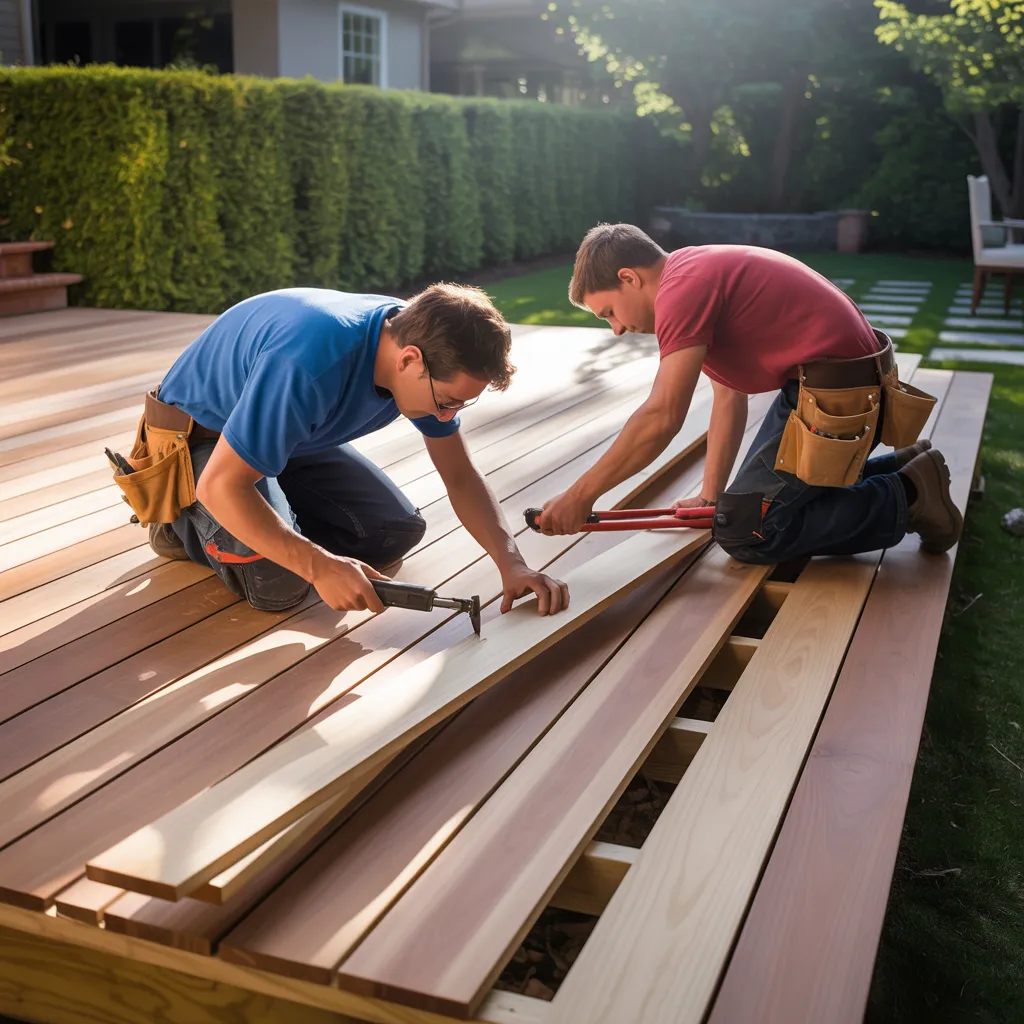
Bespoke railings and stairs improve both aesthetics and functionality in any setting. They present an exceptional opportunity to elevate the visual impact, transforming ordinary areas into striking focal points. By including tailored designs, homeowners can effortlessly coordinate these elements with their overall decor, expressing unique tastes and stylistic choices.
Beyond aesthetics, custom railings and stairs provide significant safety benefits. Personalized designs can secure adherence to local building regulations while reducing the likelihood of accidents. The selection of durable materials additionally improves durability, minimizing the necessity for regular repairs or replacements.
Additionally, custom options enable better utilization of space, particularly in demanding spatial arrangements. Via thoughtful design strategies, residents can optimize comfort and usability. Ultimately, choosing custom railings and staircases delivers both aesthetic charm and practical advantages, positioning them as a key upgrade for any living or working space.
Popular Options of Unique Railings and Stairs to Think About
Style selections for railings and stairs can considerably influence the overall feel of a room. Among the most favored options is the traditional wood railing, which provides a warm and enduring aesthetic. Modern metal railings, often displaying streamlined designs and minimalist elements, provide a contemporary touch while ensuring durability. For those looking for a rustic aesthetic, iron railings can bring distinctive details and personality. Clear glass railings are becoming widely preferred for their ability to create an open, airy feel, enabling clear sightlines. Furthermore, cable railings merge utility with visual appeal, making them ideal for seaside or contemporary environments. Stairs can also reflect personal taste; selections extend from conventional straight stairs to dramatic spiral layouts, satisfying diverse visual preferences. Every design not only elevates the visual aesthetic but also serves a critical function in safety and accessibility, making careful selections vital for any deck undertaking.
How to Choose the Best Materials for Your Custom Railings and Stairs
Choosing the appropriate materials for custom railings and stairs necessitates thorough evaluation of both longevity and visual appeal. The selection explore the facts of materials can substantially affect the durability of the installation while also influencing the overall design of the area. Assessing these elements secures a harmony between practicality and aesthetic appeal.
Material Strength and Durability Factors
Durability remains a fundamental aspect when choosing materials for railings and stairs, impacting both security and lasting quality. Property owners commonly weigh options including wood, metal, and composite materials. Wood, while aesthetically pleasing, may require regular maintenance to combat rot and insect damage. Metal options, like aluminum and stainless steel, deliver strength and resilience against severe weather, suiting them to diverse climatic conditions. Composite materials combine long-lasting performance with minimal upkeep, preventing fading and warping over the years. During the material selection process, environmental impact and accessibility should also be carefully evaluated. In the end, opting for durable materials not only improves the safety of railings and stairs but also ensures they endure over time, delivering lasting value and dependability.
Aesthetic Style Selections
The aesthetic value plays a crucial role in selecting materials for personalized railings and stair designs, enhancing the home's overall aesthetic. Homeowners regularly explore different material options, including wood, metal, and composite options, each offering distinct visual characteristics. For a traditional aesthetic, natural wood delivers warmth and rich texture, while metallic options like wrought iron or aluminum contribute a modern and refined appearance. Composites offer versatility in color and finish, facilitating tailored solutions that match a wide range of architectural styles. Moreover, homeowners ought to evaluate the surrounding landscape and the exterior of the home to achieve a balanced and harmonious look. Colors, textures, and surface finishes should correspond with the broader aesthetic vision, creating a cohesive look that enhances the outdoor space while serving functional purposes.
How Do You Guarantee Safety Features in Your Design?
Ensuring safety features in personalized railings and stairways entails complying with code compliance requirements, identifying appropriate construction materials, and including efficient structural elements. Every element serves a critical function in building a safe environment for occupants. A thorough grasp of these elements is essential for every successful project.
Regulatory Compliance Requirements
When creating personalized railings and staircases, meeting code compliance standards is critical for maintaining safety. Building regulations define critical measurements, like the height and placement of railings, ensuring they can effectively prevent falls. Furthermore, local requirements may determine the materials selected, affecting longevity and safety across different weather conditions. It is necessary to work with local building authorities or a certified expert to verify designs meet all applicable codes. Routine evaluations throughout the construction phase further enhance safety by identifying potential issues early. By prioritizing code compliance, property owners can develop practical and visually appealing railings and staircases that provide peace of mind and long-lasting safety for all users.
Considerations for Material Selection
Choosing the suitable options for custom railings and stairs is essential for improving protective elements within the design. Sturdy materials such as aluminum, stainless steel, and treated wood provide resilience and protection against environmental wear. While aesthetics are important, the physical integrity of the material must also be prioritized to prevent accidents. Non-slip surfaces are essential to guarantee traction, most notably in wet or slippery conditions. Furthermore, materials should adhere to regional safety regulations and building codes, which often specify minimum load requirements. Evaluating the upkeep requirements of materials is essential, as materials prone to damage can undermine long-term safety. In the end, a thoughtful strategy to material evaluation promotes both visual appeal and functional safety in staircases and railing configurations.
Safety Features in Design
Proper safety design elements are critical in custom railings and stairs, as they significantly affect user protection and overall functionality. To ensure safety, designers should follow local building codes, which outline minimum height and structural requirements. Integrating non-slip materials is crucial, especially in areas affected by moisture. Additionally, railings should have a height that reduces fall risk while allowing easy grip for users. Attention to spacing between balusters is vital to minimize falling risks, particularly for children. Visual awareness is also a critical element; contrasting colors can help improve awareness of edges and steps. Finally, regular maintenance checks are essential to maintain the integrity of all structural parts, protecting users while extending the lifespan of the installation.
Important Upkeep Tips for Preserving Your Custom Railings and Stairs
Keeping up your custom railings and stairways is essential for maintaining their lifespan and attractive appearance. Regular inspections play a significant role in identifying any signs of wear, such as oxidation, unstable components, or fractured timber. Cleaning is equally important; using a gentle soap solution and a soft brush can assist in eliminating grime and avoiding accumulation that could lead to deterioration. For wood railings and stairs, using a weather-resistant coating periodically can protect against water infiltration and sun exposure, keeping both the finish and durability intact.
Metal railings need to be examined for deterioration, especially in coastal areas where saltwater can speed up degradation. Applying fresh paint or refinishing treatments to metal can boost strength and aesthetic quality. Furthermore, confirming that drainage systems work correctly will prevent water accumulation, which can lead to structural issues. Through adopting these upkeep strategies, homeowners can take pleasure in their bespoke railings and stairs well into the future.
Budgeting for Your Custom Outdoor Upgrades
Upon ensuring the durability of tailored railings and steps through consistent maintenance practices, homeowners typically redirect their efforts toward planning budgets for exterior improvements. Establishing a clear budget is critical to avoid overspending and to confirm that the preferred improvements align with financial capabilities. Homeowners ought to commence by evaluating the investment required for building materials, professional services, and added features, including lighting or decorative elements.
It is recommended to create a prioritized list of desired upgrades, differentiating between necessary upgrades and desirable extras. This aids in reaching well-considered decisions when finances are constrained. Additionally, homeowners should consider setting aside a contingency fund for unexpected expenses that may arise during the project.
Researching various suppliers and comparing prices can also yield cost-effective solutions. By tackling financial planning in an organized manner, homeowners can achieve their vision for custom outdoor spaces while preserving fiscal balance.
How to Find the Perfect Contractor for Your Outdoor Project
How do homeowners make certain they pick the right contractor for their outdoor project? First, they should conduct thorough research, starting with online reviews and local recommendations. This makes it easier to find contractors with an established reputation in custom railings and stairs. Additionally, homeowners should check credentials, such as licenses and insurance, to ensure the contractor satisfies industry requirements.
It is also advisable to seek thorough written estimates from various contractors, comparing costs and timelines. Engaging in direct conversations helps homeowners assess communication approaches and professional conduct. Moreover, looking through completed work portfolios can offer valuable information about a contractor's expertise and creative abilities.
Finally asking for referrals from past clients can assist in determining quality and dependability. By following these steps, homeowners are able to carefully select a professional who understands their goals and guarantees a positive outdoor experience.

Questions We Often Receive
How Much Time Is Required to Install Custom Railings and Stairs?
Installation of custom railings and stairs usually spans one to three business days, subject to the intricacy of the design, the materials chosen for the project, and the experience of the installation team assigned to the project.
Am I Able to Customize the Color of My Railings and Stairs?
Indeed, color customization options for railings and stairs are generally offered. Residents can explore a diverse selection of shades to align with their aesthetic preferences, ensuring a cohesive look for their outdoor spaces.
Are Custom Railings and Stairs Weather-Resistant?
Customized railings and staircases are engineered to be weather-resistant, making use of materials like composite wood or aluminum. These material choices enhance durability, guaranteeing they can endure diverse weather and environmental conditions without compromising their visual appeal and practical functionality.
What Is the General Cost of Custom Railings and Stairs?
The average cost of custom railing and stair installations usually ranges from $1,000 to $4,000, depending on installation requirements, materials, and design complexity. Homeowners should budget accordingly for both materials and labor when organizing their projects.
Do Custom Railings Require a Permit for Installation?
Custom railing projects often require an installation permit, according to local regulations and building codes. It is recommended for homeowners to consult their local authorities to confirm compliance and avoid safety issues or potential fines.